


Researchers have said the health effects of noise depend on how loud it is as well as on how often it occurs, how long it continues for, whether people have enough time to recover before the next exposure — especially as they sleep at night — and cumulative long-term exposure
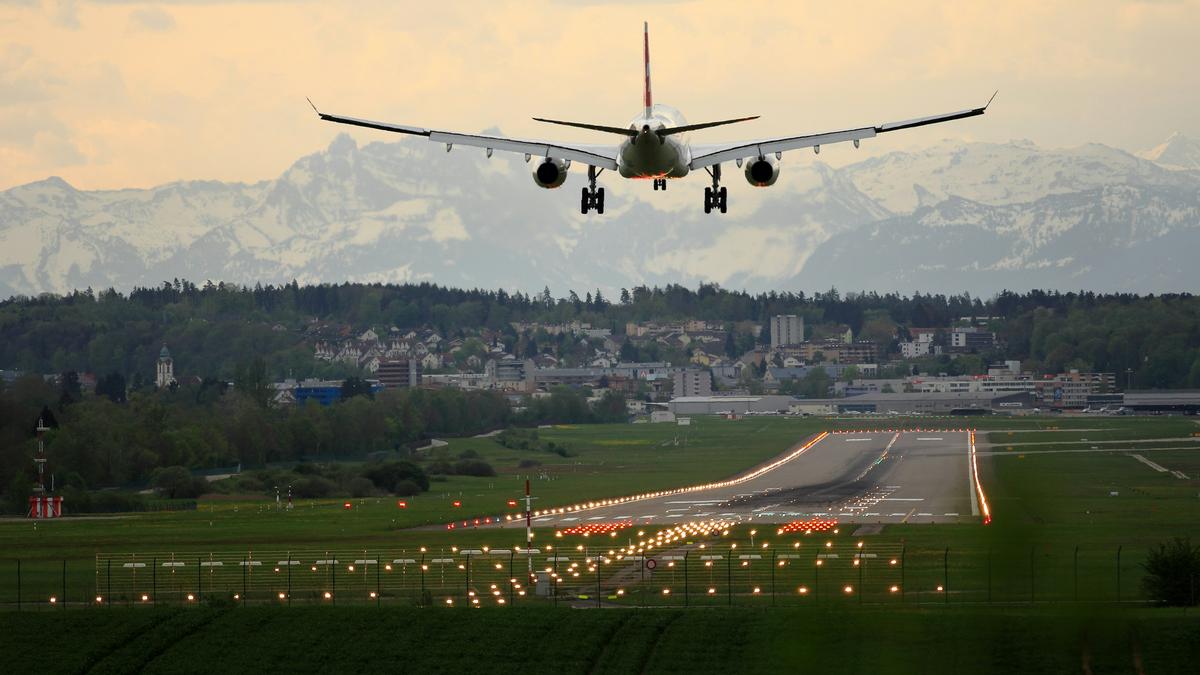
The standard acoustic metrics are designed for steady industrial noise. They do not capture the intermittent, burst-like nature of the noise from aircraft flying overhead. | Photo Credit: Pascal Meier/Unsplash
Every few minutes, aircraft descend over densely populated neighbourhoods near India’s major airports. For the people here, the noise has been almost constant for years, often even continuing through the night. India’s aviation and environmental regulations require airports to map the aircraft noise exposure using decibel contours — maps showing how the air pressure varies around the airport. Official assessments have also identified high-noise zones extending into residential areas.
But even as India’s airports monitor sound with increasing technical precision, they have paid far less attention to what years of repeated exposure may be doing to people. Research on the long-term biological effects of chronic aircraft noise in India is also limited. Some emerging research has pointed to inflammation, stress-related changes, and even cognitive effects. The fact remains, however, that the gap between regulatory noise monitoring and understanding biological risk is widening.