


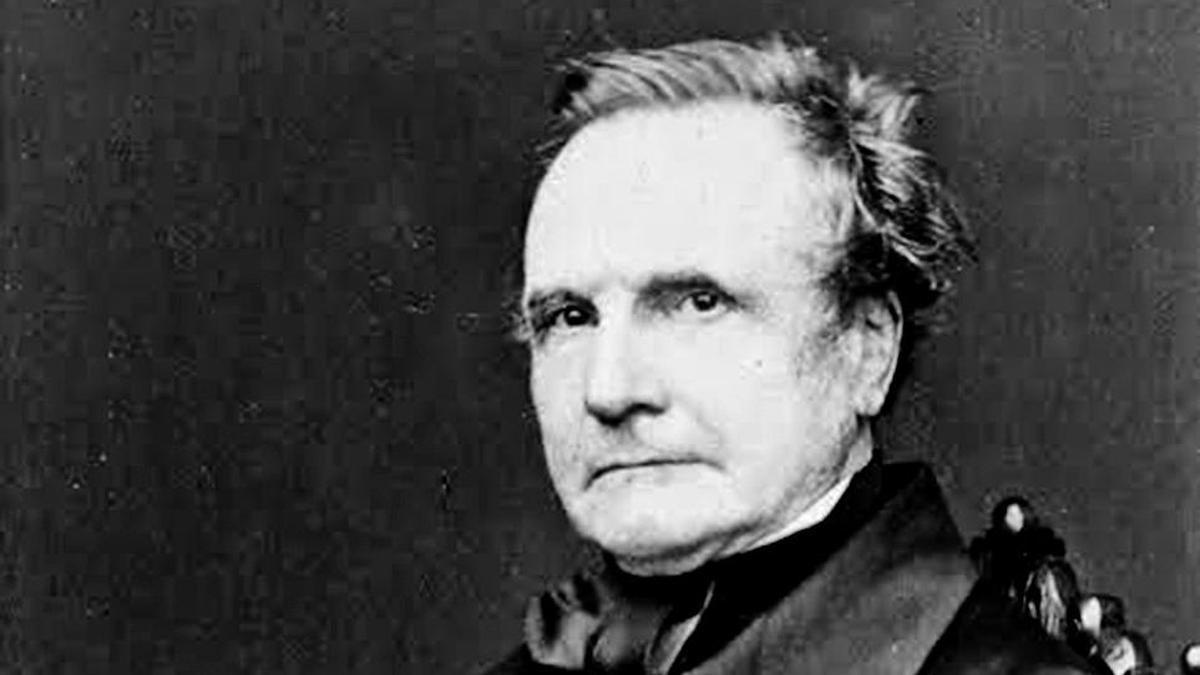
Slow, error-prone calculations by hand were unavoidable in the early 19th century, yet even small mistakes could ruin the designs for buildings and the journeys of ships; Charles Babbage’s ingenious machines were much more accurate, faster, and revolutionaryhttps://www.google.com/search?q=How+Babbage+automated+calculations+with+simple+machines&oq=How+Babbage+automated+calculations+with+simple+machines&gs_lcrp=EgZjaHJvbWUyBggAEEUYOTIGCAEQRRg9MgYIAhBFGDzSAQkzNzM2ajBqMTWoAgiwAgHxBRgf3nVk7MGE8QUYH951ZOzBhA&sourceid=chrome&source=chrome.rb&ie=UTF-8
Modern computing is often effortless. You pick up a calculator or open the calculator app on your phone, and you’re on your way in seconds. But getting here took humans several centuries from when they first tried to speed up computing. One particularly important passage in this history involved the English mathematician Charles Babbage, who found a way to speed up calculations using the movement of simple machines, creating the first ancestors of the modern computer.https://blogbyriya.rncomputer.in/wp-admin/